Active Projects
The PID lab has an active and diverse research agenda. The research thrusts below represent several ongoing studies that investigate collective human behavior, human-human interactions, human-machine interactions, and human-machine-human interactions.

Evaluating the impact of New Jersey’s Extreme Risk Protection Order law on firearm violence
Firearm violence remains a serious public health concern in New Jersey, with profound impacts on individuals, families, and communities. The state enacted its Extreme Risk Protection Order (ERPO) law in 2019, allowing family members and law enforcement to petition courts to temporarily remove firearms from individuals deemed to pose a risk to themselves or others. While ERPO laws have been adopted in multiple states, their effectiveness depends heavily on how they are implemented, and New Jersey’s law has not yet been rigorously evaluated.
This project uses causal inference methods to quantitatively assess the impact of New Jersey’s ERPO law on firearm-related homicides. Leveraging restricted-use mortality data from the Centers for Disease Control and Prevention (CDC), the study examines firearm homicides at the county and monthly level, with analyses stratified by gender, race and ethnicity, and geography. The goal is not only to determine whether the law reduced firearm violence overall, but also to understand who benefits most from it and where gaps may remain.
This project is supported by the New Jersey Health Foundation (Award PC30-26) .
Protecting Under the Hard Hat
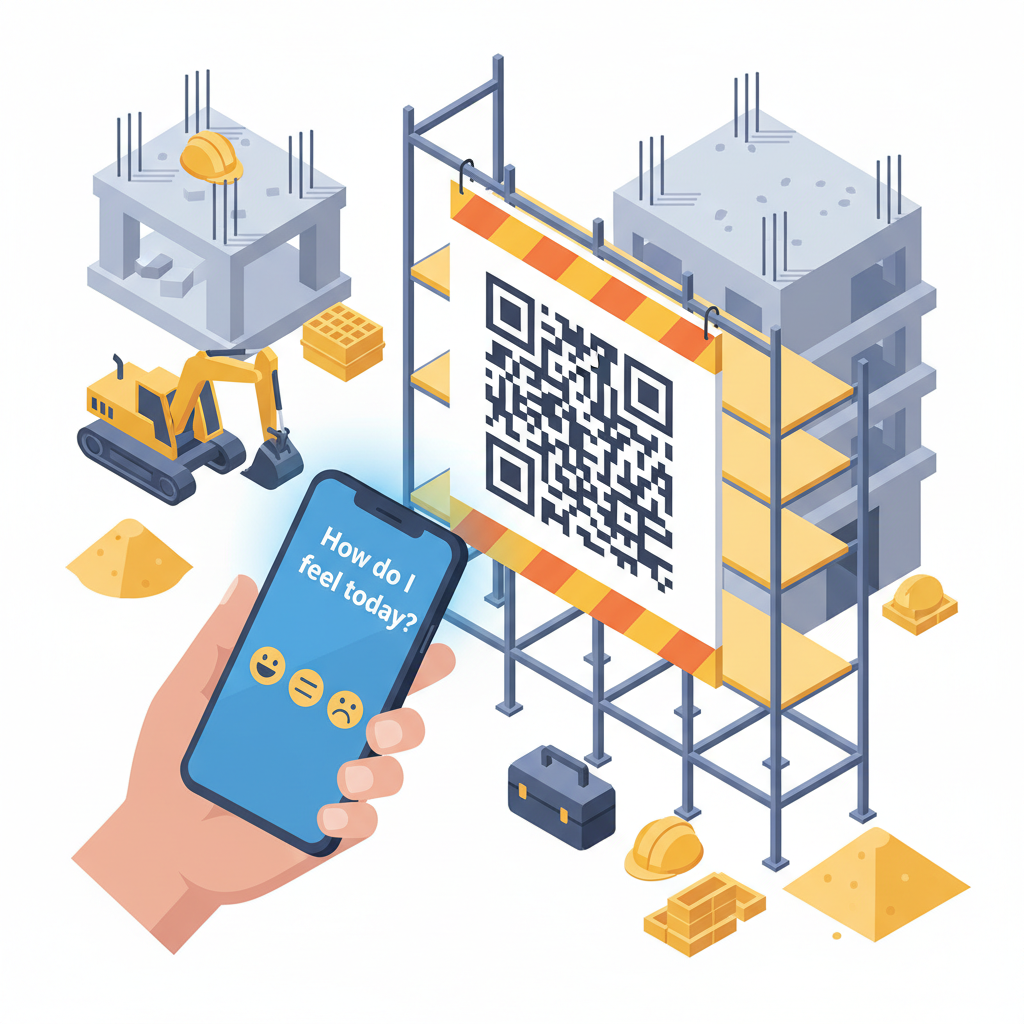
Mental health has become a major crisis in the construction industry, where workers experience disproportionately high rates of depression, substance misuse, opioid overdose, and suicide. Construction workers are significantly more likely to die by suicide than the general population, yet stigma, workplace culture, and fear of job loss often prevent workers from seeking help. Despite growing awareness of these challenges, there remains limited data on the prevalence and distribution of mental health conditions in the construction workforce, as well as few interventions designed specifically for the realities of construction sites.
In collaboration with the International Union of Operating Engineers Local 825, we developed Under the Hard Hat, an anonymous web-based tool that allows construction workers to complete a brief self-assessment for depression, anxiety, substance misuse, and gambling addiction, while providing immediate access to tailored wellness resources. The tool is being deployed with the help of the Associated Construction Contractors of New Jersey across construction sites in New Jersey through QR-code banners and stickers, with plans to expand to New York and other states. In parallel, the project collects anonymized data to better understand mental health risks and engagement with support resources in the construction workforce.
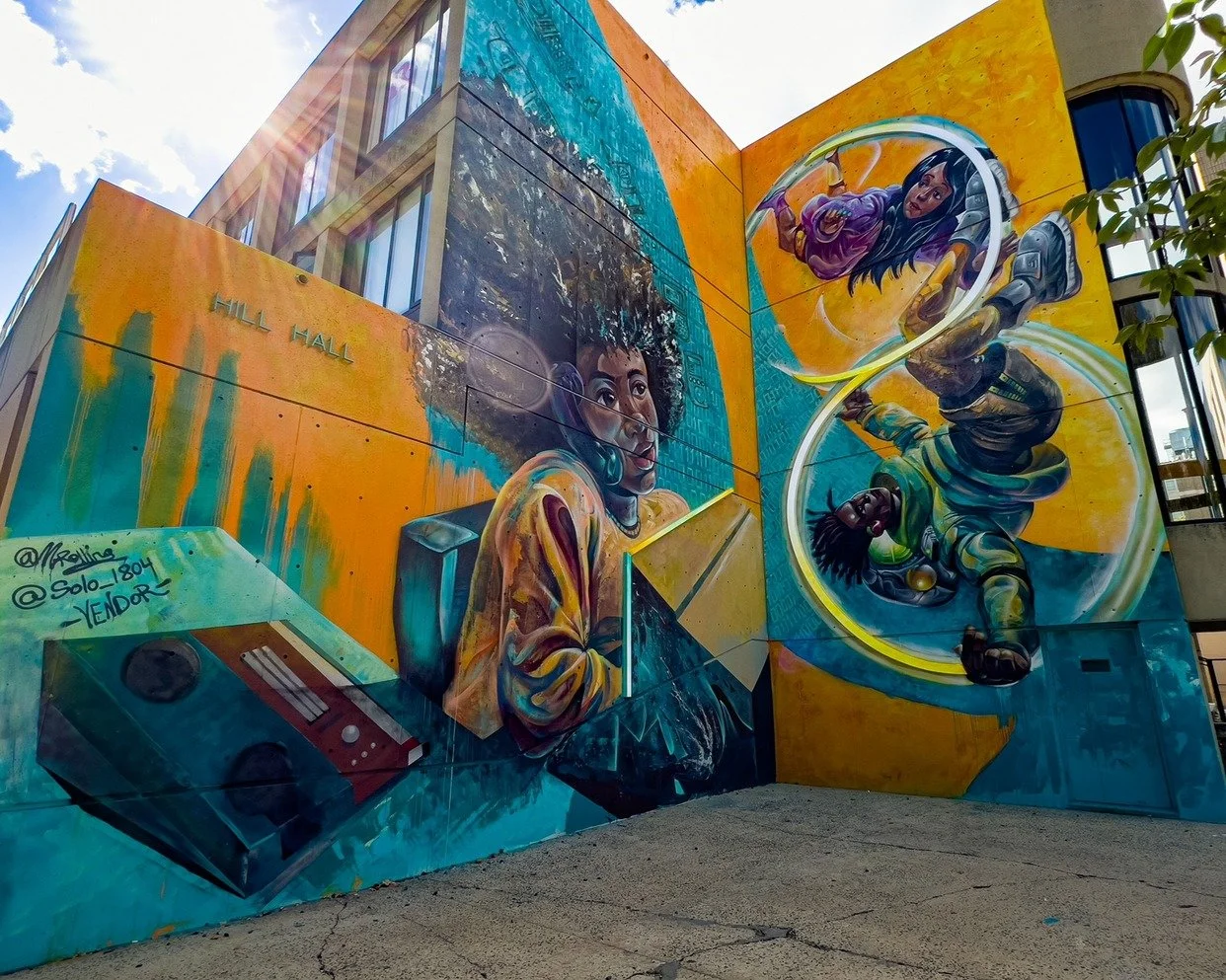
Generation Code by Malcolm Rolling and Hans Lundy.Painting Change: Do Murals Make Neighborhoods Safer?
Violence and blight remain major challenges in Newark, motivating growing investment in murals and public art as community-based interventions to improve neighborhood safety and well-being. Yet, despite substantial public investment, little causal evidence exists on whether murals actually reduce crime, how their effects vary across neighborhoods, or how cities should prioritize future installations.
In collaboration with Dr. Alejandro Gimenez Santana from the Newark Public Safety Collaborative at Rutgers University-Newark, we are developing a data-driven framework to evaluate murals as potential violence-prevention interventions. Using spatiotemporal crime and mural data, combined with resident and stakeholder interviews, the project applies causal inference methods to estimate the impact of mural installations on neighborhood crime and perceived safety. The project aims to generate evidence that can help policymakers, urban planners, and community organizations make more informed decisions about investments in public art and neighborhood revitalization.
Task-Specific Training in Virtual Reality
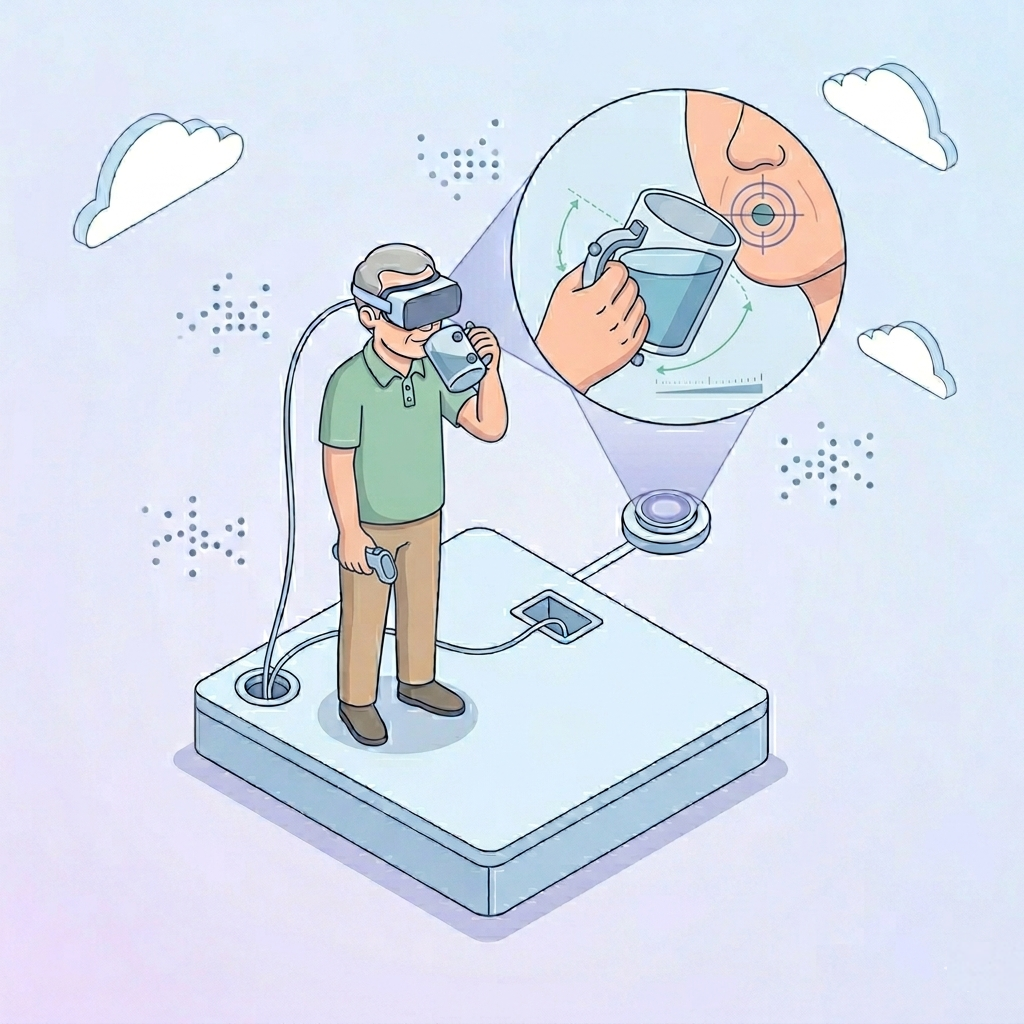
While virtual reality has advanced rapidly in recent years, most VR systems still rely on handheld controllers and limited haptic feedback, making interactions with virtual objects feel artificial and disconnected from real-world experiences. This limitation is particularly important in applications that depend on fine motor control, object manipulation, and realistic tool use, where natural physical interaction is critical for effective training and skill transfer.
In collaboration with Dr. Margarita Vinnikov, this project explores the integration of physical objects into virtual reality environments to create more realistic, task-specific training experiences. By combining real-world object interaction with immersive virtual environments, the work aims to improve motor learning, dexterity, and skill transfer across a range of applications. In rehabilitation settings, these systems can support recovery of motor function following injury or neurological impairment through engaging, adaptive training tasks. In professional and industrial contexts, the same approach can be used to train tool use and task performance in safe, controlled virtual environments that closely replicate real-world conditions.

The Creation from the Birth Project by Judy Chicago (1984).Understanding Gender and Firearm Policy Outcomes
Firearm policies often have complex and uneven consequences across different populations, in part because patterns of gun exposure and victimization differ substantially between groups. For example, women who are killed with firearms are more likely to be victims of intimate partner or domestic violence, whereas men are more frequently affected by firearm violence in public, interpersonal, or gang-related contexts. As a result, the same firearm regulation can have heterogeneous impacts, influencing risk pathways differently across gendered contexts of violence. Understanding these disparities is critical for designing policies that are both effective and equitable.
In collaboration with Dr. Simone Marras, we examine the disparate impact of firearm laws on men and women by integrating causal inference, machine learning, graph theory, and AI-based modeling. We leverage these tools to characterize how policy interventions propagate through social and spatial networks, and how they differentially alter risk exposure across populations. By identifying heterogeneous treatment effects and underlying structural mechanisms, this work aims to inform data-driven firearm policies that better account for the distinct ways in which men and women experience gun violence.

Social Telerehabilitation for People with Blindness and Low Vision
People with blindness and low vision face significant barriers to participating in physical activity, rehabilitation, and social interactions. Limited access to accessible recreational and rehabilitation programs, transportation challenges, geographic isolation, and a lack of opportunities designed around diverse visual needs can restrict participation and negatively affect physical and social well-being. At the same time, advances in telecommunication, extended reality, artificial intelligence, and wearable technologies create new opportunities to overcome these barriers and support participation from home or other remote settings.
In collaboration with Dr. John-Ross Rizzo and Dr. Giles Hamilton-Fletcher, we are developing and evaluating social telerehabilitation technologies designed to support physical activity, social interaction, and rehabilitation for people with blindness and low vision. Our work combines human-centered design with emerging technologies to understand the needs and preferences of the blind and low vision community and develop accessible, engaging experiences.
Smart and Engaging Telerehabilitation
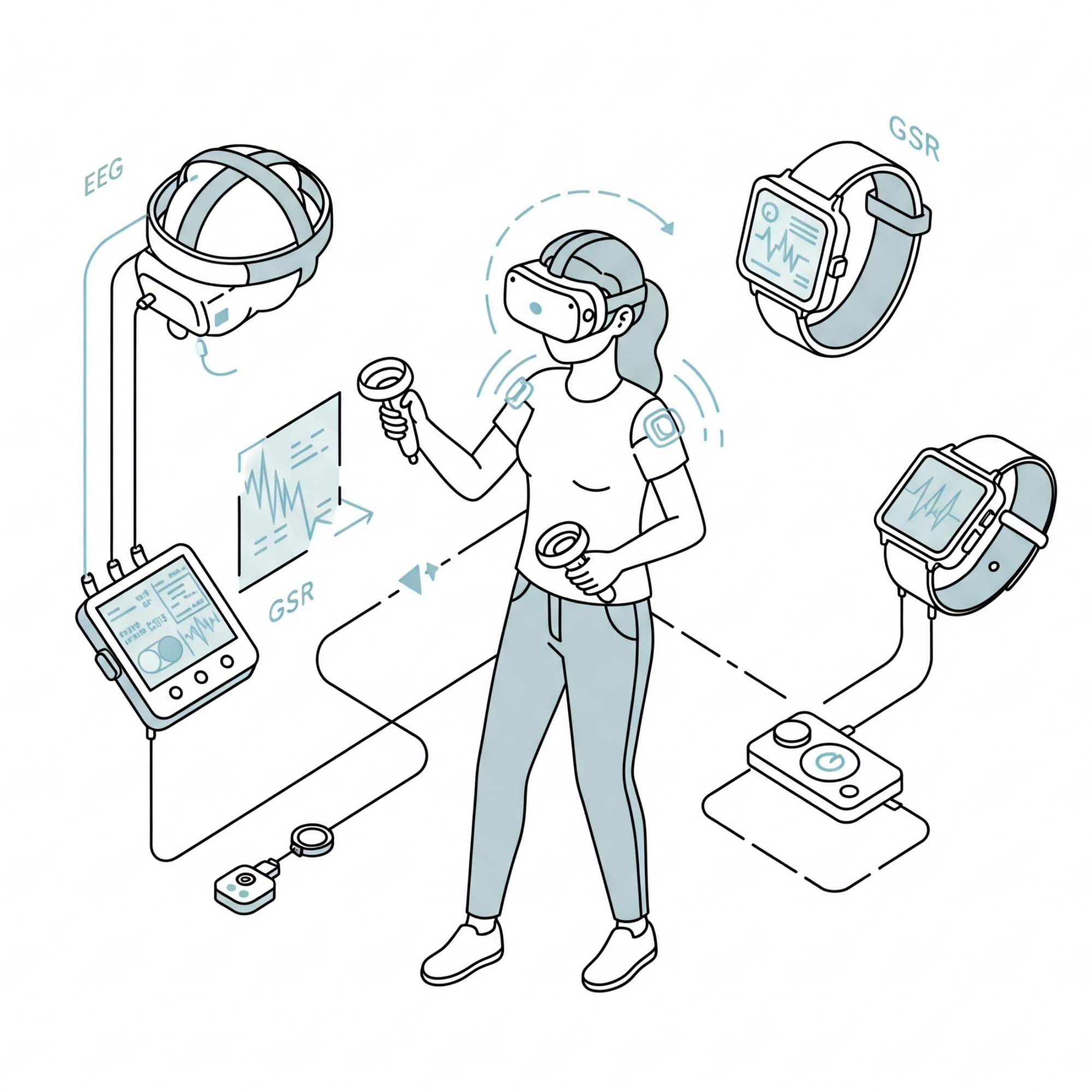
Stroke and other neurological conditions can result in persistent motor impairments that require frequent and repetitive rehabilitation to improve functional recovery. However, access to rehabilitation can be limited by treatment costs, long wait times for appointments, and geographic barriers. When performing rehabilitation at home, patients may also have limited access to professional feedback, making it difficult to know whether exercises are being performed correctly or whether compensatory movement strategies are being used. These challenges highlight the need for telerehabilitation systems that are not only accessible, but also engaging and capable of providing meaningful feedback outside of the clinic. To this end, there is a need for smart interfaces that can “know” what actions people are carrying out, “infer” their affective state, and “respond” dynamically to their needs.
In this project, we develop intelligent telerehabilitation systems that combine motion sensing, wearable technologies, gaming interfaces, and computational models to understand and respond to users during rehabilitation. We investigate how behavioral and physiological data can be used to inform adaptive feedback, while also developing methods to automatically capture and analyze movement to identify movement quality and compensatory strategies. These approaches are integrated with econometric forecasting models, machine learning, and natural language processing algorithms to provide real-time, personalized feedback to both patients and clinicians, making rehabilitation more accessible, engaging, objective, and scalable.